What Is an Ottoman? History, Uses and Styling Ideas

What Is an Ottoman? From History to Home Styling Guide

At the end of a long day, it’s often the smallest comforts that matter most, a place to rest your feet, a surface to set down a book, or an extra seat when guests arrive unexpectedly. The ottoman fits quietly into all of these moments, becoming one of the most versatile pieces in the home.

So what exactly is an ottoman? At its simplest, it’s a low, upholstered piece designed to move with your space. It might sit in front of a sofa as a place to unwind, double as extra seating when needed, or step in as a softer alternative to a coffee table. It’s not fixed to one role, which is what makes it so easy to live with.

What makes it even more interesting is that it hasn’t always looked this way. The ottoman’s story begins centuries ago, shaped by a very different way of living, one built around comfort, connection, and spaces designed to be shared. Over time, that idea shifted and refined, eventually becoming the versatile piece we know today.

Ottoman Furniture History: Where Did It Begin?

The room is arranged not around a single piece, but along its edges. Cushions line the walls, layered in soft fabrics, inviting people to sit, recline, and settle in without hurry. Conversations unfold slowly, carried by the comfort of a space designed for gathering. This was the essence of interiors in the Ottoman Empire, where low, cushioned seating, often referred to as divans, lined the walls of homes and shaped how people lived and connected. These arrangements were central to daily life, reflecting a culture built around hospitality and shared experience.

Over time, that way of living was reimagined, eventually giving rise to the ottoman as we know it today, a single piece refined from a much larger, more communal way of living.
What Is an Ottoman? History, Uses and Styling Ideas

What Is an Ottoman For? Practical Uses in Modern Homes

The ottoman no longer takes the form of low, cushioned seating that once lined the edges of entire rooms, but its purpose remains much the same. It still centres around comfort, flexibility, and the way people move through a space.

In modern homes, this translates into a piece that adapts effortlessly from one moment to the next. In the morning, it might be a place to rest your feet with a coffee. By afternoon, it holds a book or a tray, and by evening, it becomes extra seating when the room fills with people. It moves easily between roles, never fixed to just one purpose, which is what makes it so easy to live with, much like the spaces it was first inspired by.

What Is the Difference Between an Ottoman and a Footstool?

It’s the kind of thing that gets misnamed without much thought. A guest settles in, you hand them a drink, they take a seat, glance over, and call it a footstool. You pause for a second, because it’s not entirely wrong. It does the job. But give it a few hours, and it’s already been a seat, a surface, and the place everything somehow ends up when the room starts to fill.

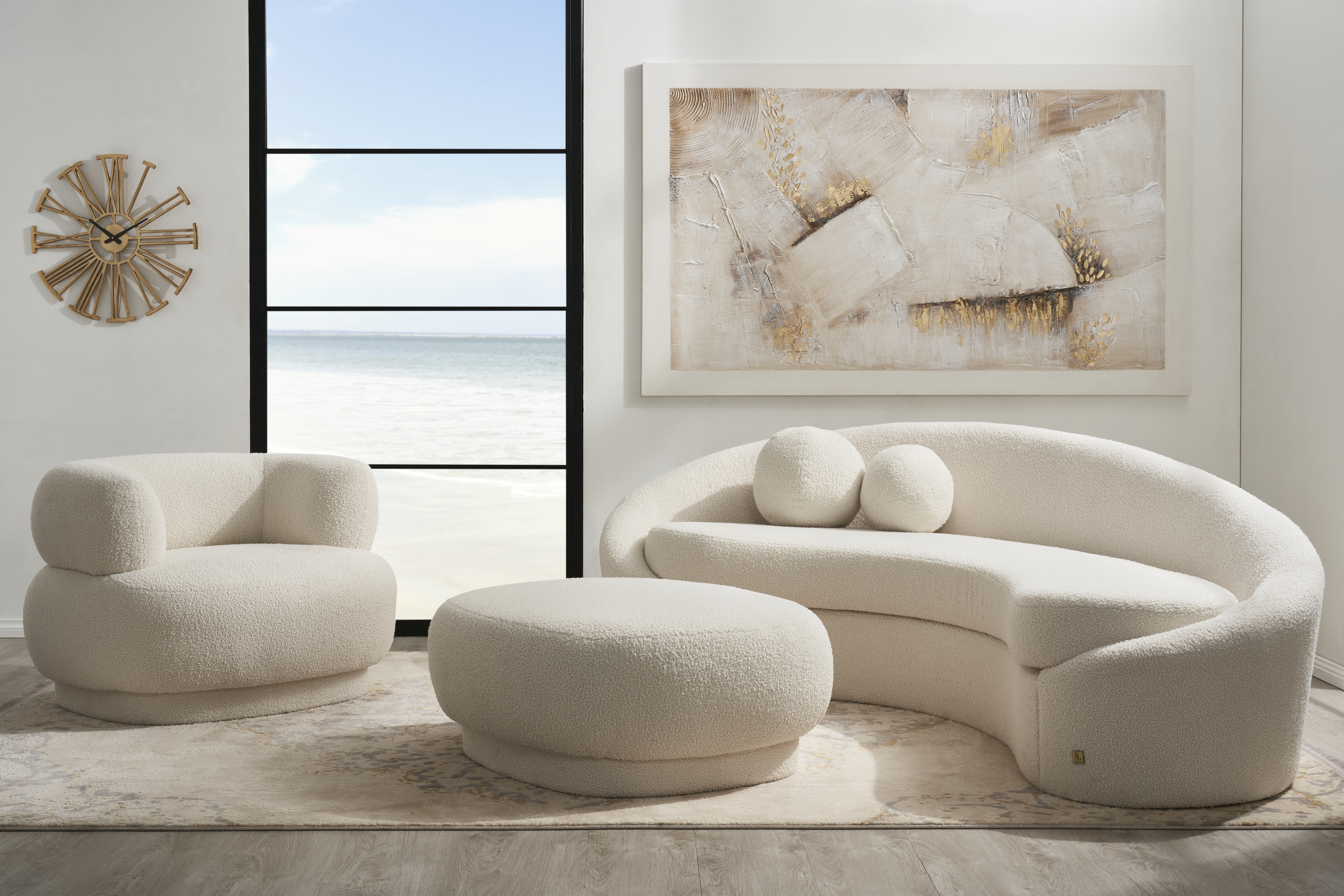
An ottoman is usually just a bit bigger and more versatile. It works as extra seating when needed, a place to set things down, and sometimes even storage that keeps the mess out of sight. It ends up doing a lot without you really thinking about it.

A footstool is simpler, and that’s exactly the point. Smaller, lighter, it does what it’s meant to do and doesn’t try to be anything else. You reach for it when you want to put your feet up, and that’s about it. 

A little later, the same guest comes back with a plate in hand, no table in sight, and without thinking, sets it down on the ottoman. You can’t help but point it out. A footstool wouldn’t have handled that quite as well.

What Is an Ottoman? History, Uses and Styling Ideas

What Is an Ottoman? History, Uses and Styling Ideas

Types of Ottomans to Consider

You don’t really notice the differences at first. But after a while, small details start to stand out. Like the moment you realise one opens up. What looked like a simple piece suddenly holds everything, throws, books, the things that never quite had a place before. Storage ottomans tend to do that, quietly solving problems without changing how the room looks.

Then there are the ones that catch your eye a little more. A tufted ottoman, for example, can turn something otherwise simple into a focal point, adding just enough detail to lift the whole space without feeling overdone.

Others are less about detail and more about how they sit in the room. Modular ottomans move with the layout, shifting alongside the sofa or opening things up when needed. They don’t stay fixed for long, which is what makes them work.

Bench-style ottomans take a slightly different role. Longer and more structured, they often settle at the foot of a bed or along a wall. Over time, you start to see it less as one piece, and more as a choice in how you want the room to work. Some are there to store, some to stand out, others to move with you, but all of them shape the space in their own way.

What Is an Ottoman? History, Uses and Styling Ideas

How to Style an Ottoman in Your Living Room

When styling an ottoman, it’s often the smaller details that shape the overall feel. A slight shift in placement, a change in texture, or what’s placed on top can completely change how the piece sits within the room.

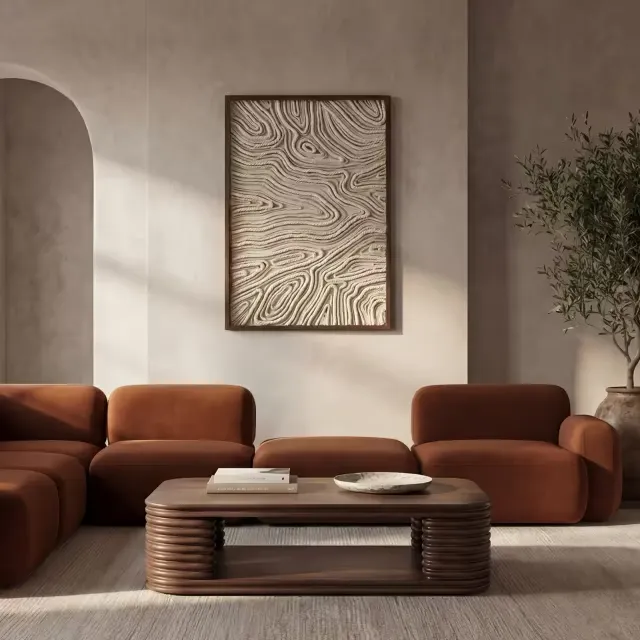
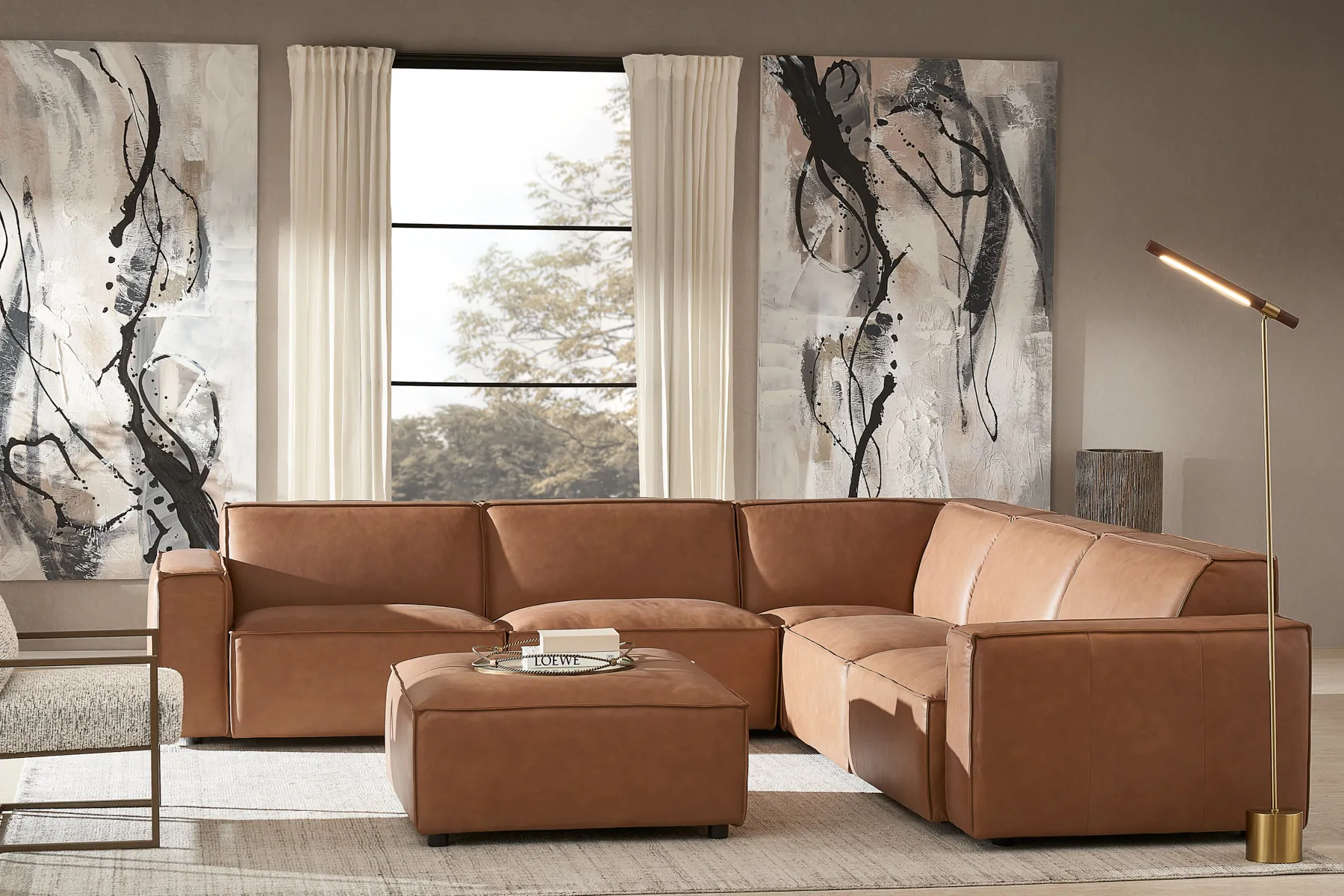
It usually begins in front of the sofa, where the ottoman naturally anchors the space. From there, the surface becomes an opportunity to style. A tray is often the starting point, grounding the centre and giving structure to what would otherwise feel too soft. 

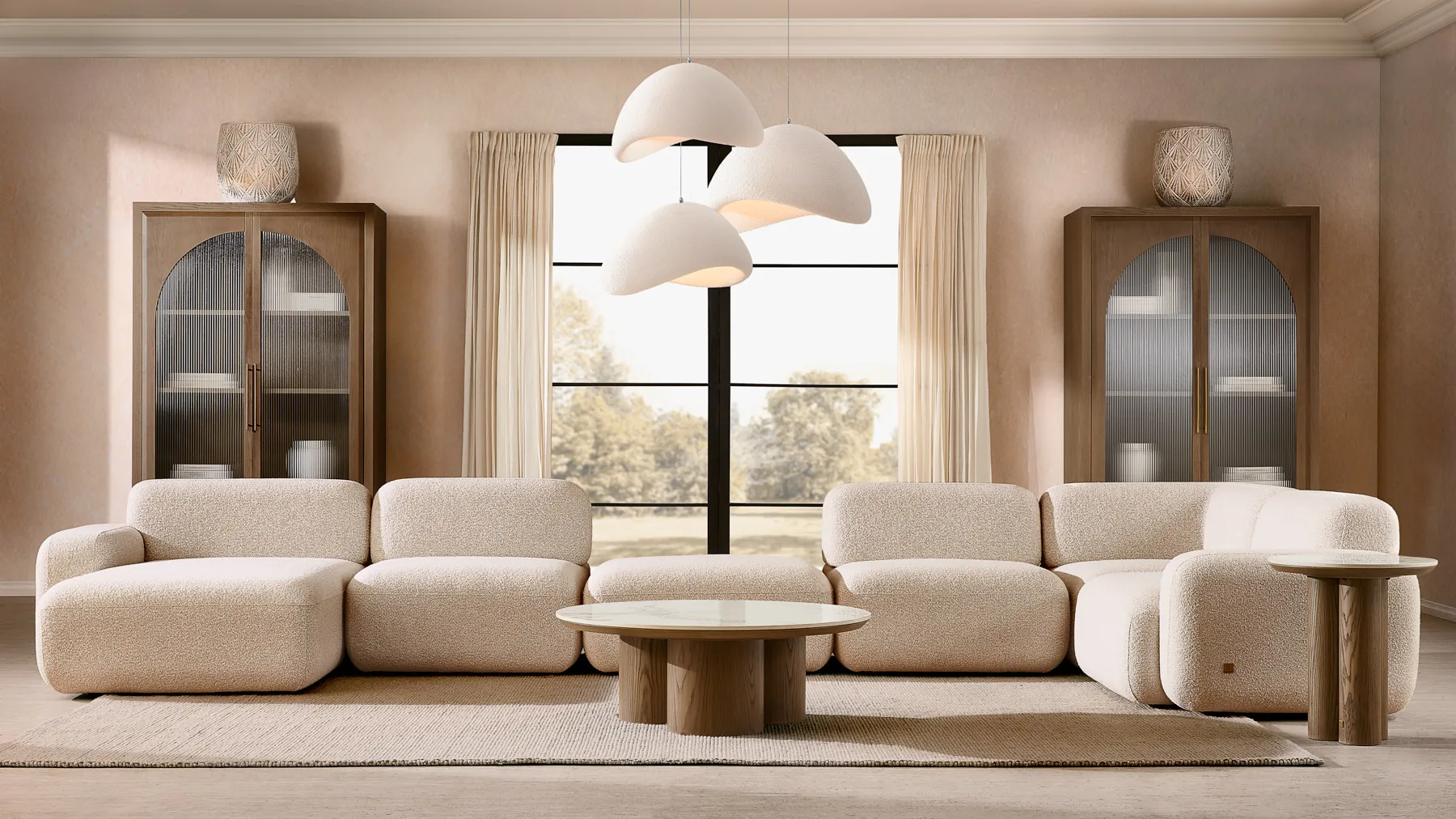
The materials you choose start to matter here. A velvet or boucle ottoman paired with a metal tray creates contrast, while softer finishes, timber, linen, or stone, keep the look more relaxed and tonal. Even small shifts in texture can change the mood of the entire room.

Around it, the ottoman works in conversation with the rest of the space. It sits alongside the sofa, balances out nearby occasional chairs, and picks up on tones and finishes already in the room. A cushion echoing the same fabric, or a rug beneath it can all help tie the space together without feeling overly styled.

In open-plan layouts, it often acts as a quiet centre point, helping define the living area without closing it off. In smaller spaces, it can replace a traditional coffee table entirely, keeping things soft, flexible, and easy to move around.

What Is an Ottoman? History, Uses and Styling Ideas

Choosing the Right Ottoman for Your Space

Choosing the right ottoman often comes down to what the space needs. By this point, it’s less about what an ottoman is, and more about how it lives within the room, how it sits alongside everything else, and how naturally it fits into your day.

Looking at the different shapes is usually the easiest place to start:

A balanced, easy choice that settles comfortably into most living rooms. It tends to find its place right at the centre, in front of the sofa, holding everything together without asking for too much attention. 

Slightly more stretched out, these work well alongside longer sofas or in more open spaces. There’s a bit more room to work with, more surface, more flexibility, and in some layouts, they even take on a bench-like feel.

Softer by nature, round shapes ease the lines of a room. They’re easy to move around, easy to live with, and especially suited to smaller spaces or layouts that need a little less structure and a bit more flow.

Sitting somewhere in between, oval designs carry a bit of both. Enough surface to be practical, enough curve to keep the room feeling open. They tend to slip into a space without disrupting it, balancing structure and softness all at once.

Why an Ottoman Is a Smart Investment Piece

An ottoman is usually not the piece you think about too much. You bring one in, it finds a spot, and then it just kind of stays there. After a while, you realise how often you’re using the ottoman. Putting things down, sitting on it, shifting it around when you need a bit more space. It ends up being one of those pieces that just makes the room easier to live in.

And unlike other furniture, an ottoman doesn’t really fall out of place. You might move things around, swap out a chair, change the layout, but the ottoman doesn’t need much adjusting.

That’s usually what makes it a smart investment. The ottoman has been adapting for decades, and it will keep finding its place in the way we live. From the halls of empires, to your home.

1st April 2026
Open Chat
Open Chat
Open Chat

Koala Living Concierge